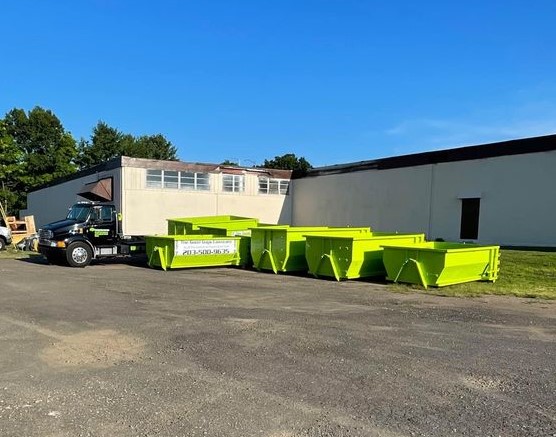
Tackling a major home project, renovation, or cleanup can be both exciting and challenging. A key part of keeping your project on track is handling waste disposal efficiently. Without a proper plan for managing debris, your worksite can quickly become cluttered, slowing down progress and creating potential hazards. Knowing how to calculate the appropriate dumpster size helps maintain order, reduce stress, and keep your project moving smoothly.
At The Good Guys Dumpster Rental LLC, our team guides clients to choose the right dumpster based on project needs. Our team assists in evaluating the expected volume of debris, the types of materials you are discarding, and the duration of your project to recommend the best dumpster for your needs. Whether you are doing a home cleanout, remodeling a kitchen, or tackling a construction project, we provide guidance that ensures a smooth and efficient process. Our mission is to provide simple, reliable, and safe dumpster rental solutions.
Evaluating the Scope of Your Project
Start by examining all aspects of your project to determine dumpster requirements. Identify each section of your home or project that will create debris. Will your project involve taking out furniture, cabinets, or flooring? Or are you dealing with demolition from a construction project? Understanding the scale and nature of the project helps identify how much space will be required in the dumpster and prevents surprises later on.
Dividing your work into individual tasks makes it easier to estimate debris volume. If several spaces are being renovated, estimate the debris for each one separately. This method ensures precise planning and may eliminate the need for extra containers. Thorough assessment ensures efficiency and safety while keeping your project on track.
Determining the Types of Waste
Knowing the types of materials your project will generate is crucial for selecting the right dumpster. Furniture, appliances, and general household waste are common in cleanouts, while remodels may create drywall and wood debris. Construction work can produce heavier materials like concrete, metal, and roofing debris, which may require reinforced dumpsters near me for rent North Branford CT containers to handle the weight safely.
Knowing what materials will be discarded helps organize and secure the disposal process. Some materials, such as chemicals or electronics, must be handled separately from regular debris. Considering these needs prevents overflowing and maintains compliance with local regulations. Awareness of material types helps utilize space efficiently and minimizes risk.
Determining How Much Space You Need
After determining materials, calculate the space each will occupy. Evaluate how much waste each task produces and whether it can be compacted to save space. Disassembling large items like furniture increases container capacity and reduces volume. Estimating space correctly helps the dumpster accommodate all debris efficiently.
Listing items and gauging their volume can make estimation easier. Visualizing the arrangement of debris in the dumpster can improve packing. Pre-planning loading strategies helps avoid exceeding capacity. Estimating correctly protects your team and site from hazards while saving time.
Considering Project Duration
The length of your project plays a significant role in selecting a dumpster. Longer projects may generate waste gradually, whereas short-term intensive projects can produce a large volume quickly. Understanding your timeline allows you to choose a container that will accommodate your debris throughout the duration of the project. Planning ahead helps prevent interruptions and keeps the workspace organized.
Coordinating dumpster delivery and pickup with your project schedule is essential. By scheduling the container to arrive before work begins and arranging timely pickup, you avoid clutter and maintain efficiency. Matching the dumpster rental to your project timeline keeps your team focused and minimizes delays. Well-planned scheduling promotes a seamless and productive project flow.
Unique Factors for Different Project Types
Specific types of work demand careful consideration for dumpster choice. Projects involving demolition or roofing often include heavy or sharp debris that needs a stronger container. Landscaping projects often generate large volumes of organic debris that may need a container with more height or width. Understanding these unique demands ensures that you select a dumpster that can handle the materials safely and efficiently.
Planning for specific project needs keeps the worksite safe and organized. Evaluating the weight, dimensions, and arrangement of materials reduces risk and supports smooth progress. We guide clients to ensure their container fits the unique requirements of the project. A project-specific approach ensures efficient and safe management of all waste.
Maximizing Dumpster Efficiency
Maximizing the efficiency of your dumpster rental can greatly improve your project’s workflow. Large items should be broken down and stacked to optimize space. Heavy materials should be placed at the bottom, while lighter debris can go on top. Avoid placing prohibited or hazardous items in the container to ensure compliance and safety.
We offer practical advice for loading and using your dumpster effectively. Organized loading and careful placement ensure the dumpster is used efficiently. Applying these strategies can prevent the need for extra dumpsters and streamline disposal. Effective container use maintains a tidy workspace and supports safe project execution.
Planning for Multiple Projects
Coordinating multiple projects demands careful planning to manage debris effectively. Separate containers may be needed for different types of waste to prevent mixing and ensure compliance with disposal regulations. Careful preparation ensures the right dumpster is in place for every task and site.
Our team helps organize multiple containers to align with your projects. By mapping out which container goes where, you can avoid confusion and ensure each area remains clear of debris. Coordinating dumpsters effectively minimizes debris issues and improves overall safety. Strategic organization contributes to a more efficient and manageable workflow.
Preparing for a Successful Dumpster Rental
Determining the proper container size is essential for a smooth and efficient project. Evaluate the work scope, debris type, amount, and schedule before renting a dumpster. Pay attention to special considerations and loading techniques to maximize efficiency. Partnering with The Good Guys Dumpster Rental LLC while following these guidelines ensures efficient and organized waste handling throughout your project.